
A Table Set for Dinner, The Quiet Miracle of Ordinary Life
Newsletter April 2026
You are the one who falls silent.
And you are the one who keeps talking.
Ah, this noise,
both warmth
and loneliness.
How sweet your words are
to you,
about yourself,
the self
that has come to haunt you.
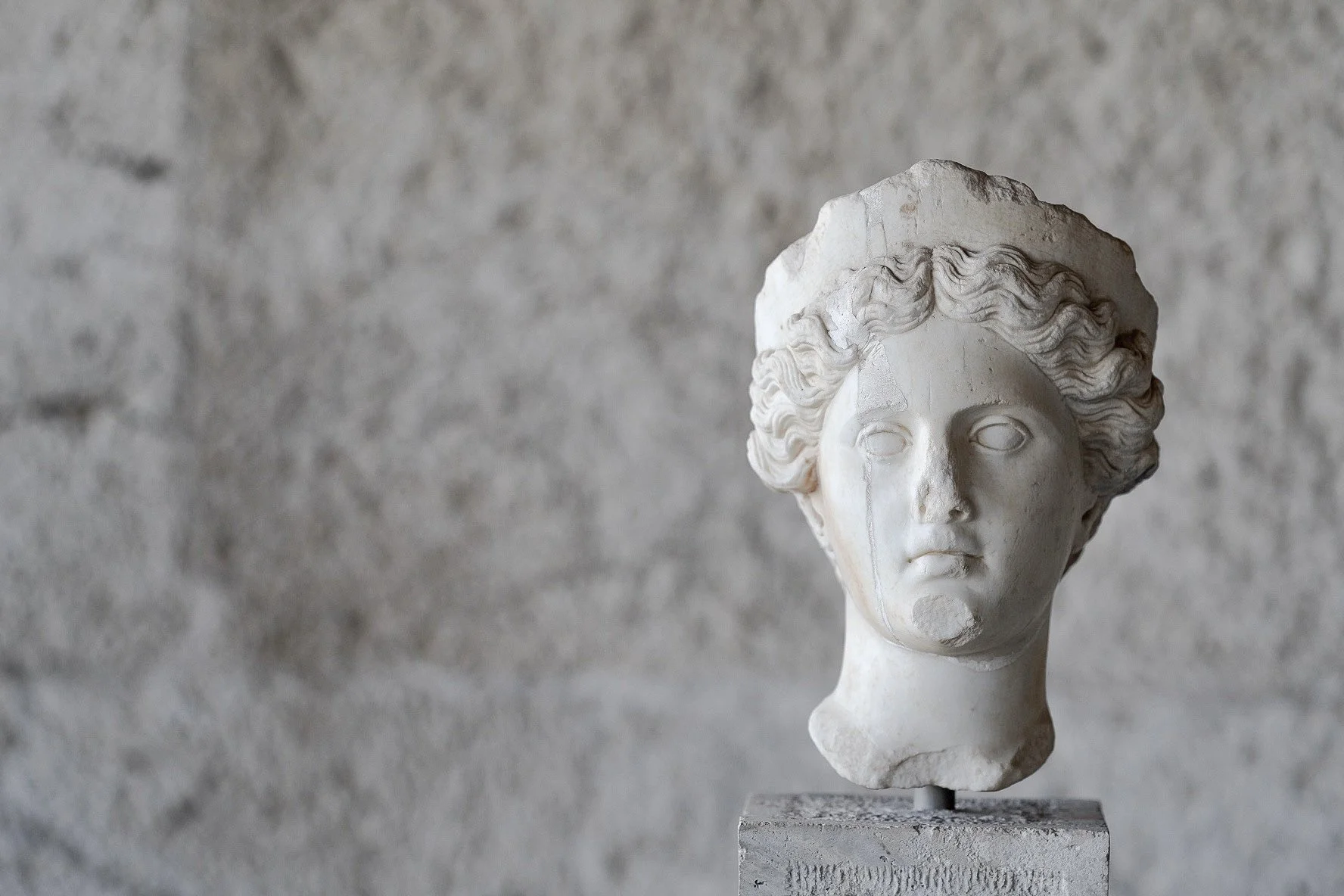
This short poem was written by the Lebanese poet Khatoon Salma Kershet, who was killed on April 8, 2026, in Beirut together with her husband, when an airstrike destroyed their home.
She was not widely known outside Lebanon. Until recently, I had never heard her name. Yet when I came across this poem and the story of her death, it stayed with me in a way that surprised me.
Every day we hear about wars across the world. We hear about civilians killed, about children, women, soldiers. The numbers appear in headlines and disappear again, repeated so often that they begin to feel distant, almost unreal.
But behind every number there is always the same simple scene: a table, a meal, a conversation, a small moment of ordinary life. And then, suddenly, a bomb falls and the entire world of that table disappears.
For reasons I cannot fully explain, the story of this woman touched me deeply. Perhaps because she wrote poetry. Perhaps because she died together with the man she loved.
When I saw her photograph, I had a strange and unsettling thought: she could have been my mother.. my sister . Or the mother of a friend. Or a woman I admire. A colleague.
In my mind, poets have always represented a fragile form of innocence. They are the restless artists who insist on writing words against silence. They are among the people we should protect the most, together with children, because they remind us of what remains human in us.
And yet, in war, they vanish like everyone else.
This is why I wanted to share her poem with you.
We cannot keep closing our doors, lowering the shutters of our lives, pretending not to see what is happening around us. We cannot keep placing invisible earplugs in our ears so that the noise of the world does not disturb us.
Because sooner or later, perhaps in ten years, perhaps in fifty, perhaps in the lifetime of our children or grandchildren, another bomb will fall somewhere.
And one day, that table might be ours.
Perhaps, dear friends, I wonder if what remains to us is simply this: to stay awake and to guard the fragile beauty of ordinary life.
A mother preparing dinner, breaking and sharing a warm loaf of bread, lighting a few small candles as evening slowly gathers. Children playing in the next room, their laughter drifting through the house. A friend placing a record on the turntable, a quiet piece by Chet Baker filling the room.
Elsewhere, a friend lifts a glass across the table. A colleague at work pauses over a cup of coffee and looks out at the morning light. Small gestures, quiet presences, the unnoticed grace of ordinary hours.
These are the moments war erases first. And perhaps peace begins exactly there: when we learn to recognize their quiet miracle, and when we choose, with care and vigilance, to protect the fragile lives that fill them.
This letter is dedicated to the memory of the Lebanese poet Khatoon Salma Kershet.
To the memory of all the poets of this world who disappeared without ever becoming known, and to those people who kept their poems hidden in drawers and old chests, waiting silently for someone, someday, to read them.
It is also dedicated to my beloved teacher Sophia Daskalopoulou, who taught me from a young age to love poetry and art. I owe her more than I can say. I was fortunate to have her as a teacher, and I am happy to know that today she lives in a beautiful village of Greece, in Ancient Corinth, where she can enjoy the quiet happiness of being a grandmother with her grandchild and her companion, and who still sends me emails with beautiful texts and remarkable writings by artists.
And finally,
for those who still believe that a poem can keep a small light alive in the world.
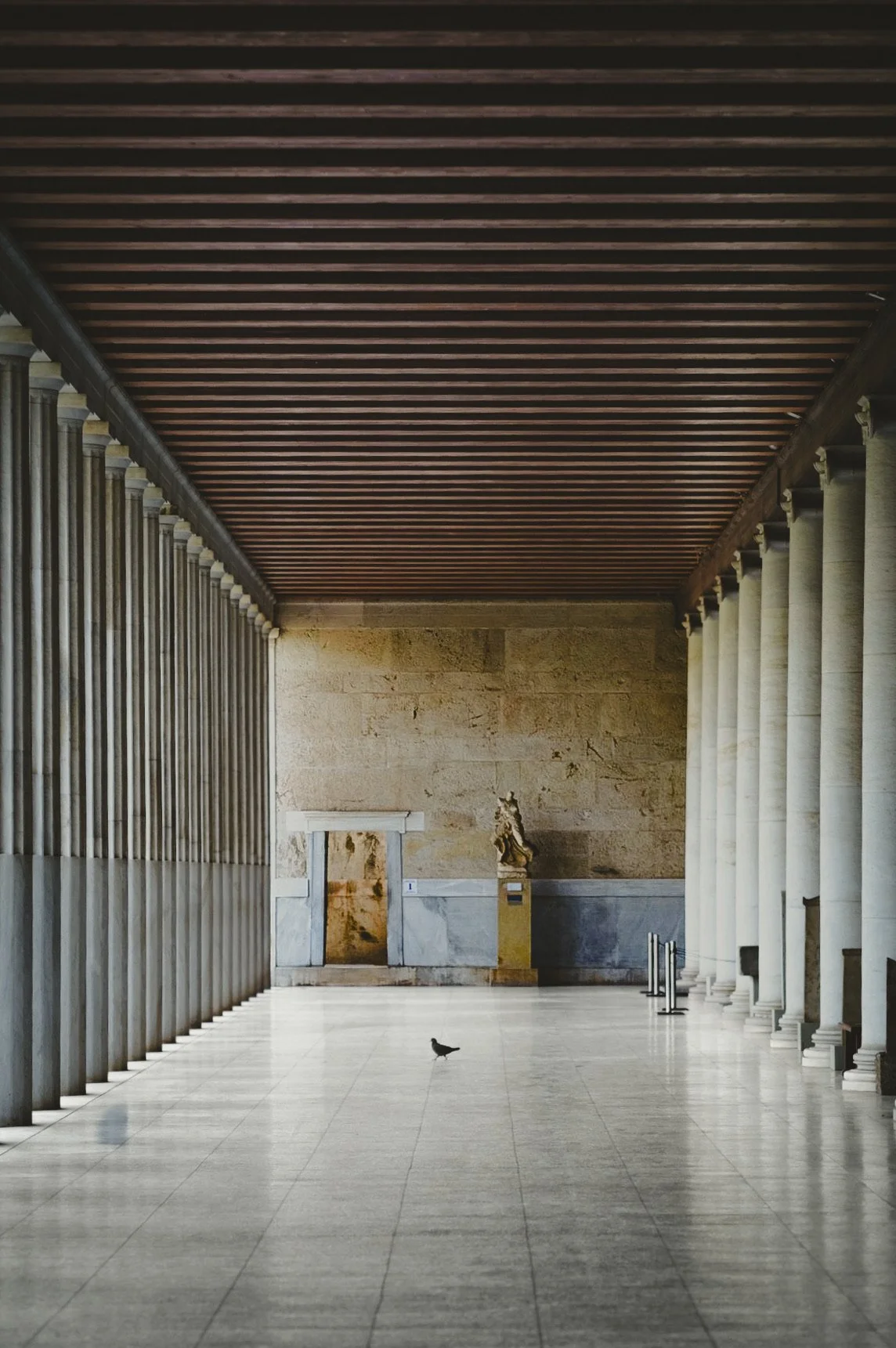
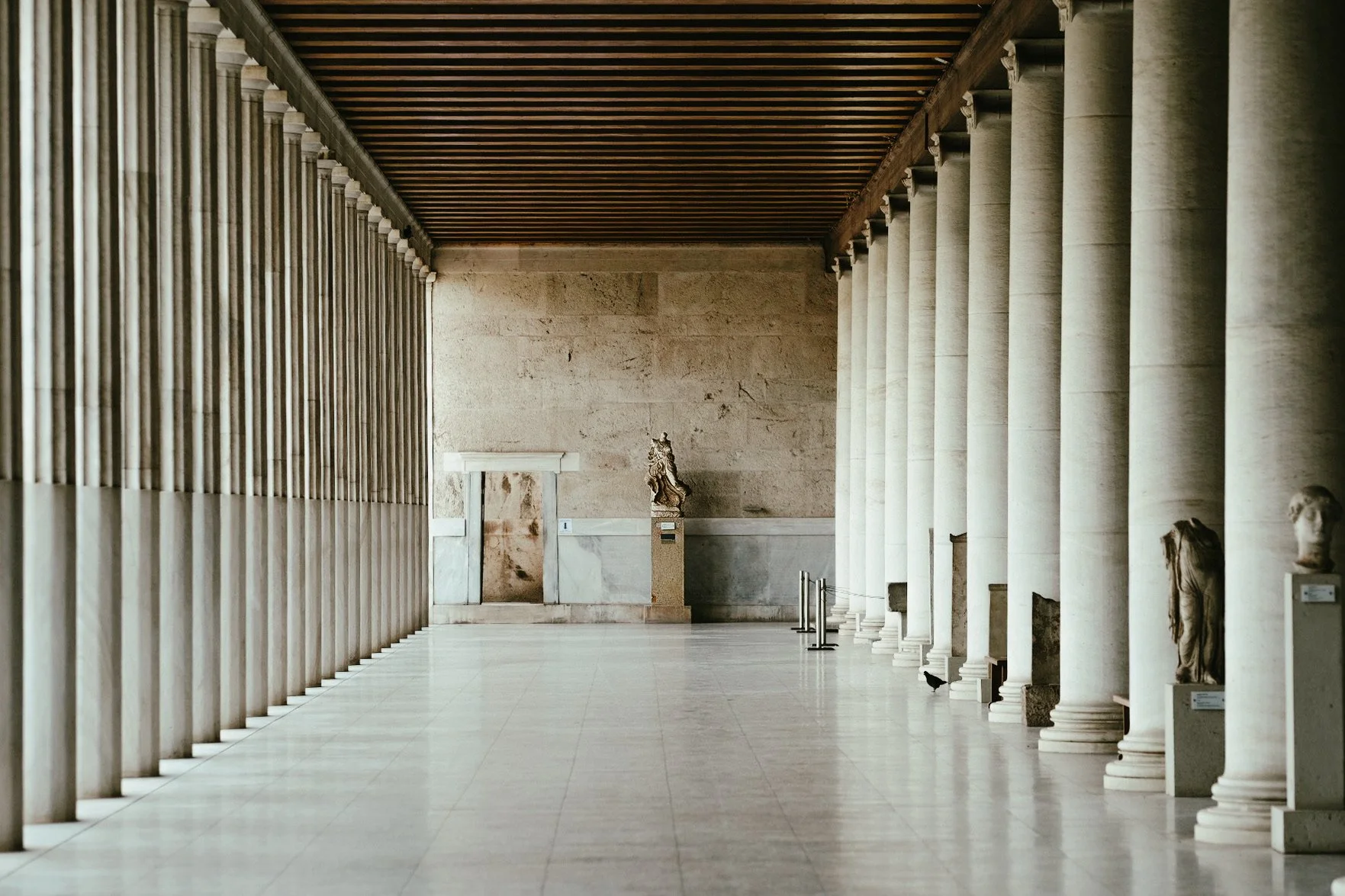
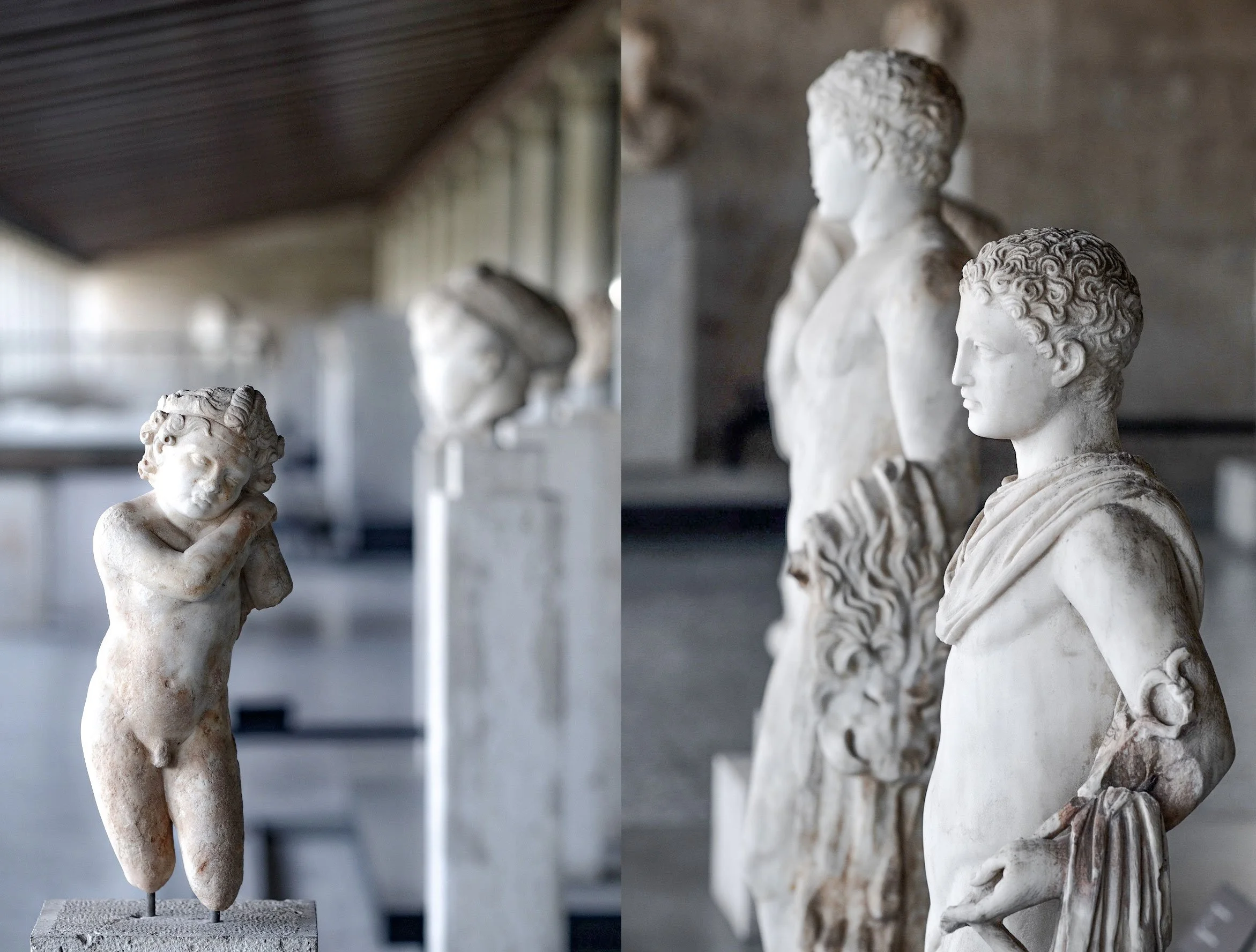
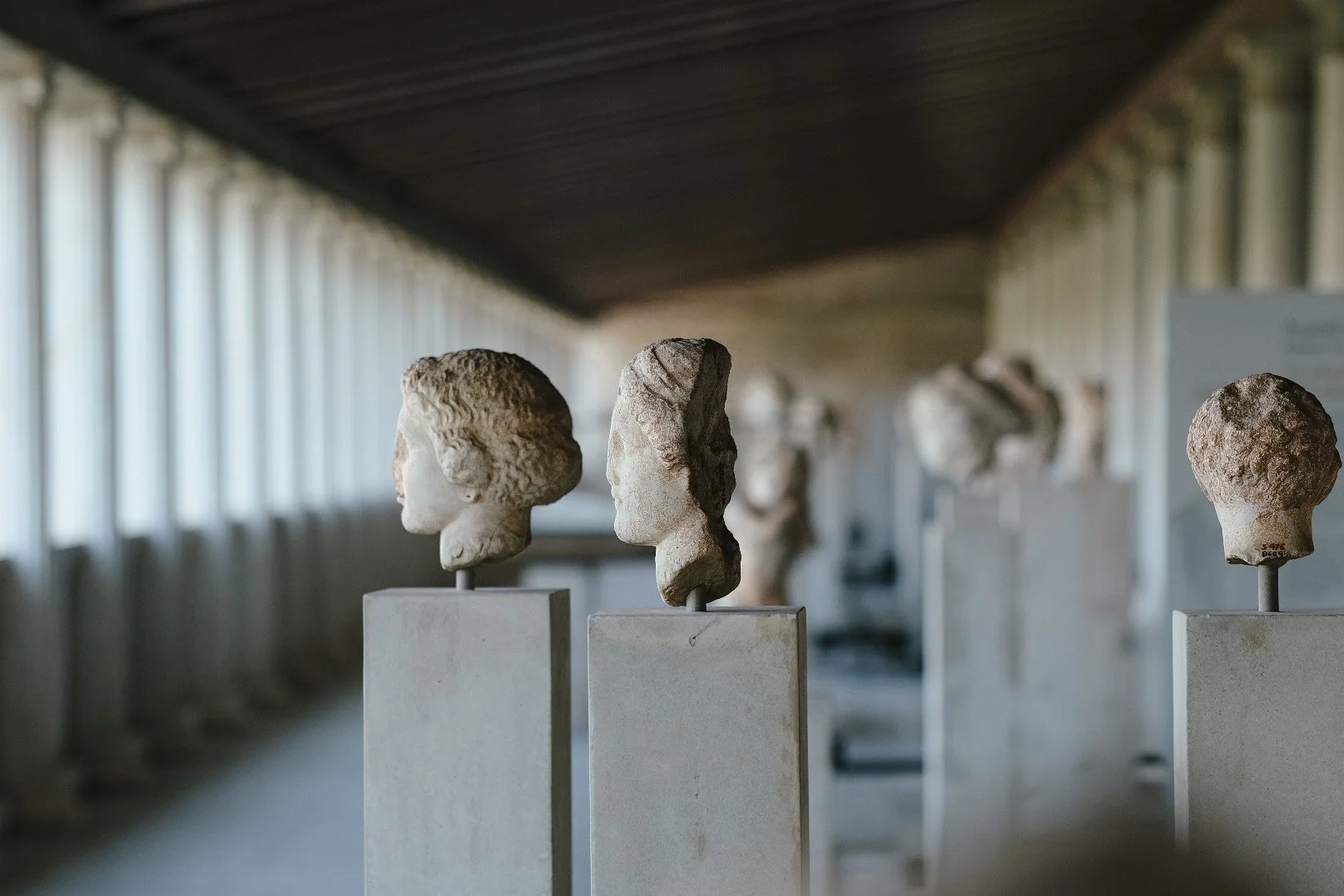
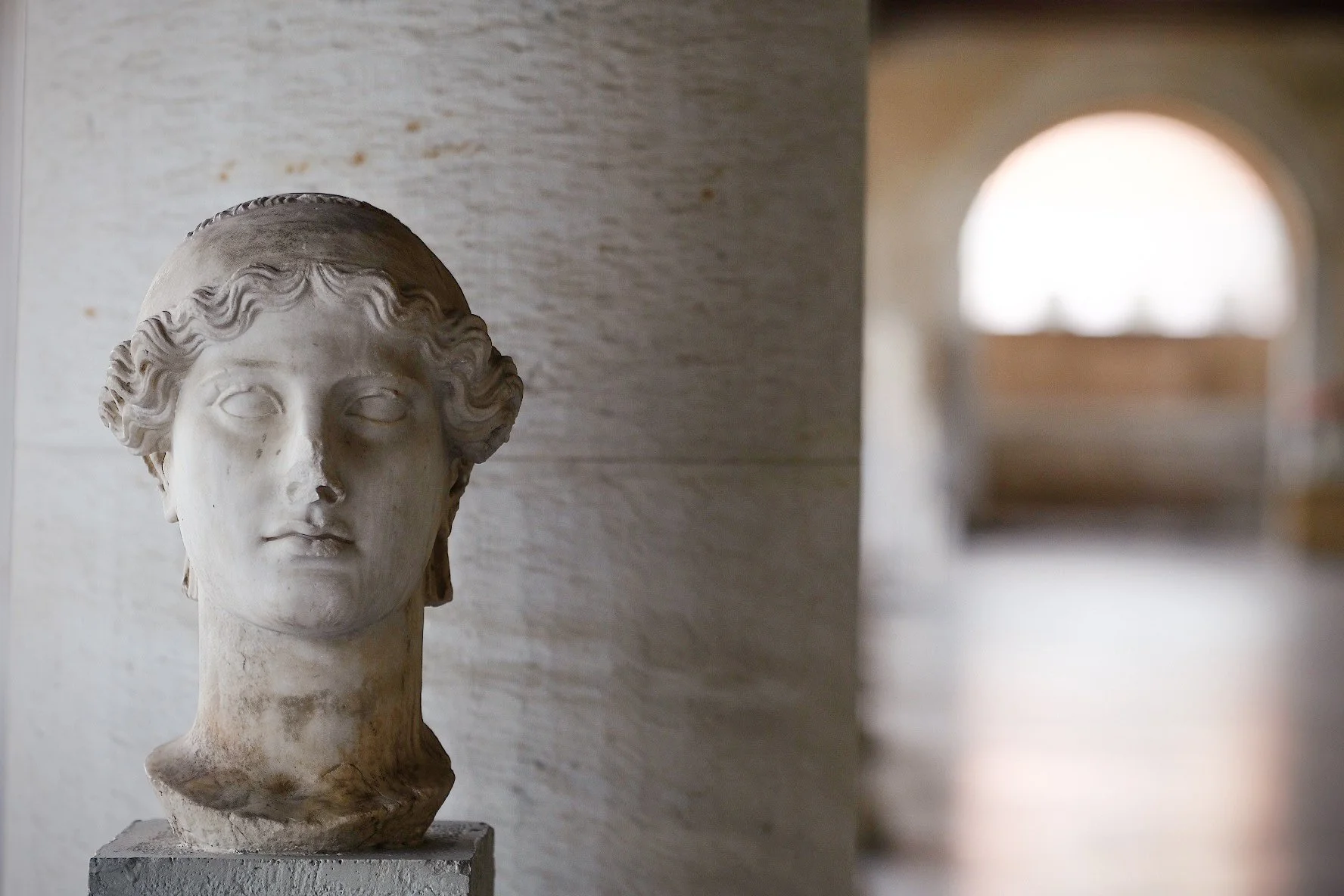
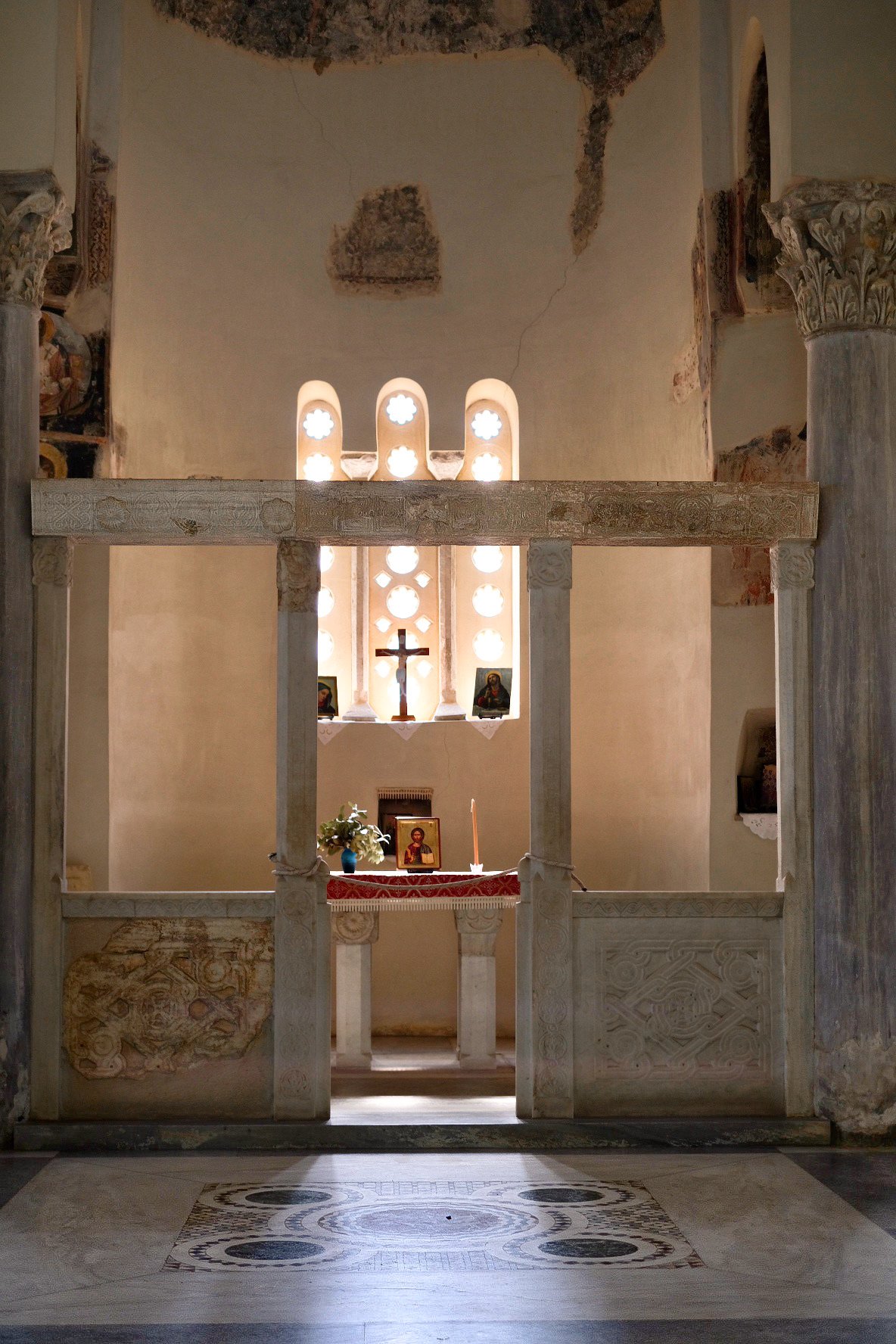
The photographs accompanying this text were taken during my last trip to Greece, at the Stoa of Attalos in the archaeological site of the Ancient Agora of Athens. They portray idealized figures of gods and mortals, sculptures from the late Classical and Hellenistic periods of the 4th and 3rd centuries BC.
Would you like to receive a small, limited edition gift?
You may leave your postal address here
Would you like to receive Pano’s newsletter from his journeys?
Subscribe here
Your address will be used only for this edition and will never be shared.
Warmly,
Panos